

Getting a baby to sleep can feel like trying to solve a Rubik’s Cube, frustrating, confusing, and every twist seems to make it worse. But fear not. The dream of a peaceful night’s sleep can be a reality (unless you have a toddler, in which case, good luck). In this guide, we’ll explore tips to get a baby to sleep in a bassinet, creating routines and environments that transform bedtime from chaos into a cozy, calming experience. So, let’s jump into the world of baby sleep, where we’ll turn crusty-eyed parents into well-rested ninjas.
Understanding the Bassinet Environment
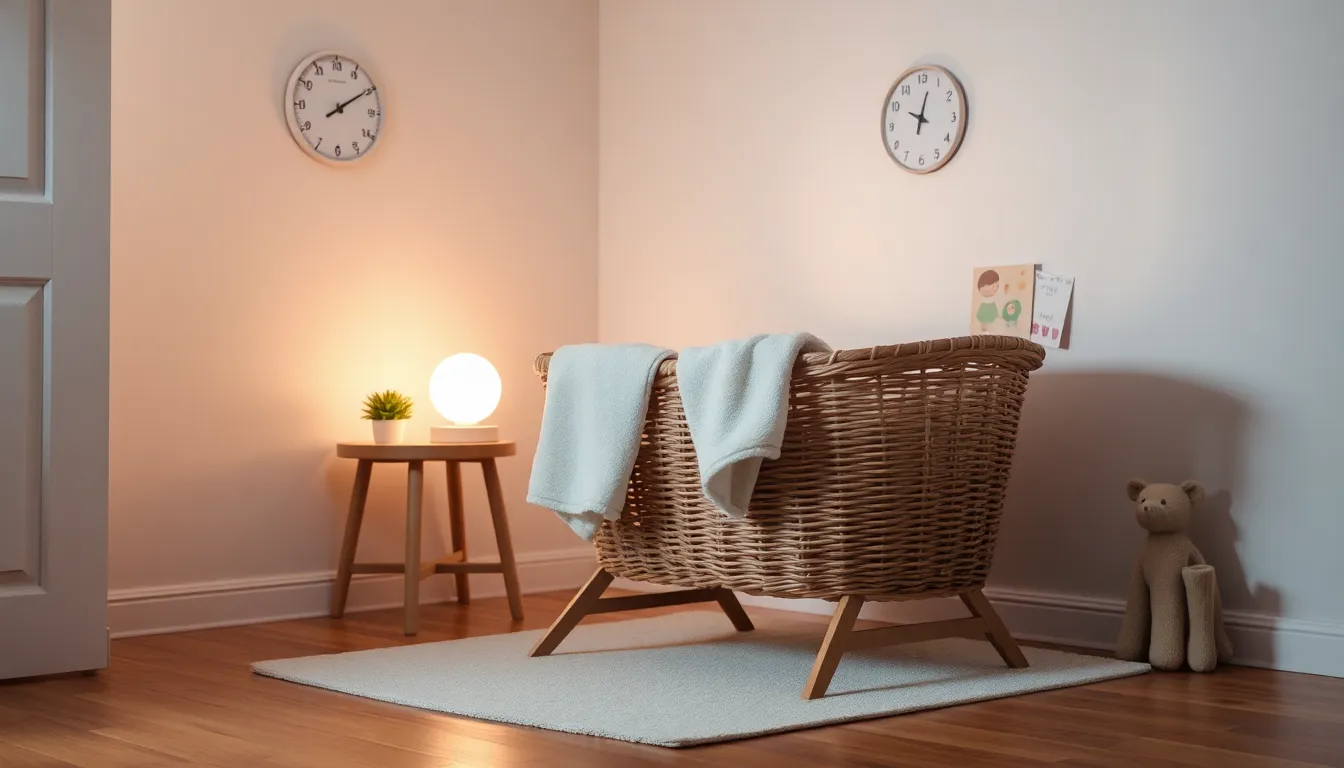
A bassinet is more than just a stylish piece of furniture: it’s a sanctuary for your little one. Understanding its environment can make a significant difference in helping your baby find solace within it. First, ensure the bassinet is set up in a calm and quiet area, away from the hustle and bustle of daily life. Babies thrive in serene atmospheres where distractions are minimal.
Consider the lighting as well. Soft, dim lighting gives the feel of night, encouraging baby to shut those curious little eyes faster than a magician’s assistant disappearing in a puff of smoke. Some parents find that using a nightlight can be beneficial, allowing for gentle feedings or diaper changes without fully waking the baby.
Also, keep the temperature comfortable. Ideally, a room temperature between 68 to 72 degrees Fahrenheit works wonders. Babies can’t regulate their body temperature as effectively as adults, so ensuring a cozy setting can help eliminate fussiness and promote sleep.
Choosing the Right Bassinet
Not all bassinets are created equal. Selecting the right one is crucial for both baby’s safety and your confidence as a parent. Look for a bassinet that meets current safety standards to provide peace of mind. Verify that it has a sturdy base and does not rock uncontrollably, no one wants a surprise midnight ride.
You might want to explore bassinets that offer convertible features. Some can transition from a rocking bassinet to a stationary one, adapting as your baby grows. Portable options are fabulous for parents on the go, letting you keep your routine intact, whether you’re visiting Grandma or lounging in the backyard. Considering both practicality and comfort will set the stage for your baby’s sleep success.
Establishing a Sleep Routine
Establishing a sleep routine can feel like a rite of passage for parents. Consistency is the name of the game. A routine signals to the baby that it’s time to wind down. This could mean a bath, followed by a lullaby, or reading a bedtime story in a gentle, soothing voice. The more consistent you are, the quicker baby will catch on.
Creating a Comfortable Sleep Environment
A comfortable sleep environment plays a foundational role in fostering sleep. Use soft, breathable fabrics for bedding, and consider a firm mattress designed for infants. Avoid placing soft toys or loose blankets in the bassinet to minimize safety risks.
Using White Noise and Soothing Sounds
Who knew that a simple white noise machine could solve so many sleep woes? Using a white noise machine or soothing lullabies can mask household noises and mimic the comforting sounds of the womb. It’s like giving your baby a cozy auditory hug.
Swaddling Your Baby for Better Sleep
Swaddling can enhance sleep quality by providing a womb-like feeling. This snug wrapping helps to prevent the startle reflex, which is practically an invitation for a crying session. When done correctly, swaddling can soothe a baby and promote longer stretches of sleep during the night.
Avoiding Sleep Associations
Sleep associations can be a tricky business. While it’s natural for parents to want to comfort their baby during nighttime awakenings, creating habits that tie sleep to certain activities can complicate things later. For instance, if your baby only falls asleep while being rocked, you may find yourself on nightly rocking marathons, yikes.
Responding to Baby’s Needs
Instead, encourage the baby to develop self-soothing techniques. When your little one cries, give it a moment to see if they can settle back down on their own. If they continue to fuss, respond gently, but avoid picking them up immediately. You want them to understand that it’s not time to party: it’s sleepy time.
Gradual Transition Techniques
Transitioning a baby from being held to sleeping in a bassinet can take time. Be patient. Start by placing the baby in the bassinet for naps while they’re still awake but drowsy. This helps them associate the bassinet with sleep without losing it to sleep associations.
Monitoring Sleep Patterns and Adjusting
Keep an eye on the baby’s sleep patterns. When you notice them fussing at certain times, adjust the routine accordingly. Every baby is unique, and being aware of their natural rhythms can make a big difference. Sometimes a small adjustment can lead to big results, shaping a better sleeping environment for everyone.