
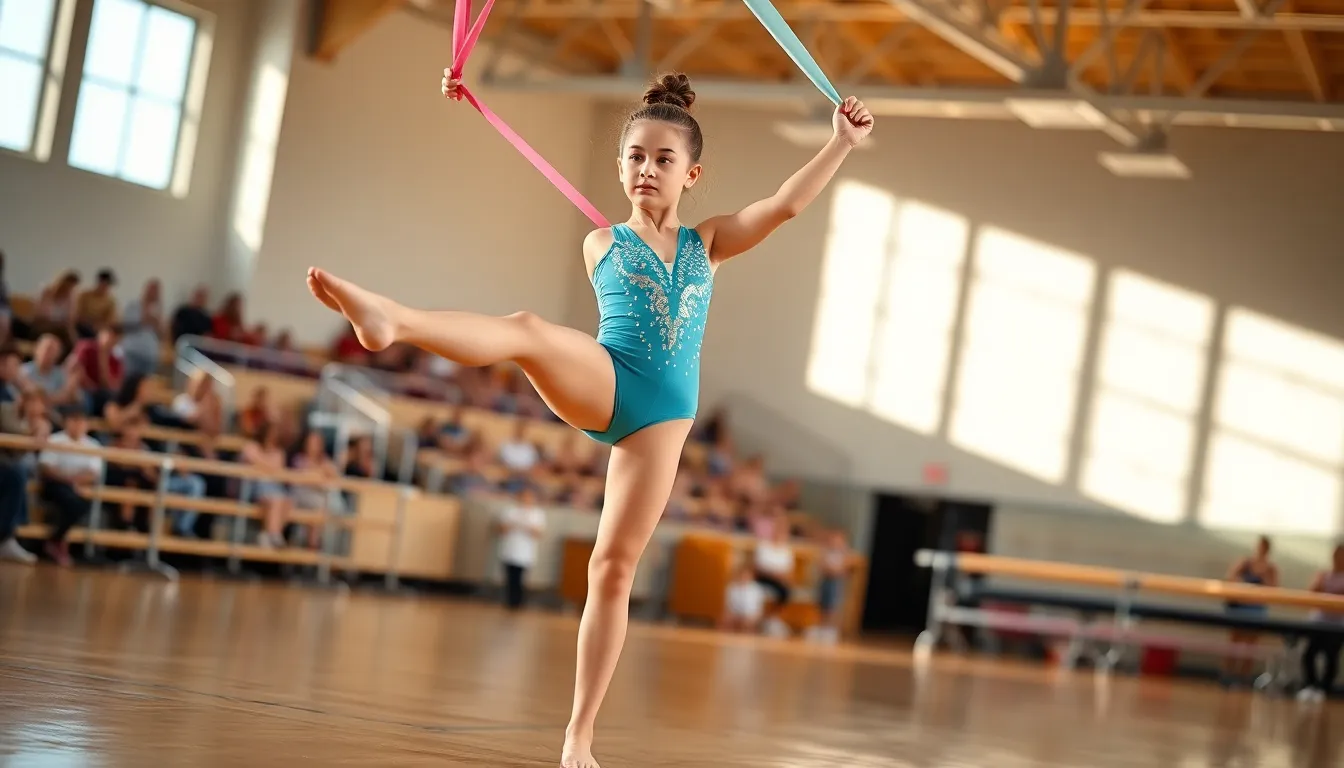
Rhythmic gymnastics, an artful blend of dance, acrobatics, and athleticism, has captured the hearts of audiences around the globe. With its elegant movements and daring feats, this discipline stands out in the realm of competitive sports. As it gains traction in recent years, keeping up with the latest trends, competitors, and training methods becomes essential for fans and aspiring gymnasts alike. In this text, we will explore the fundamentals of rhythmic gymnastics, recent developments in the sport, innovative training techniques, and the future of this captivating discipline.
Understanding Rhythmic Gymnastics
The History and Evolution of Rhythmic Gymnastics
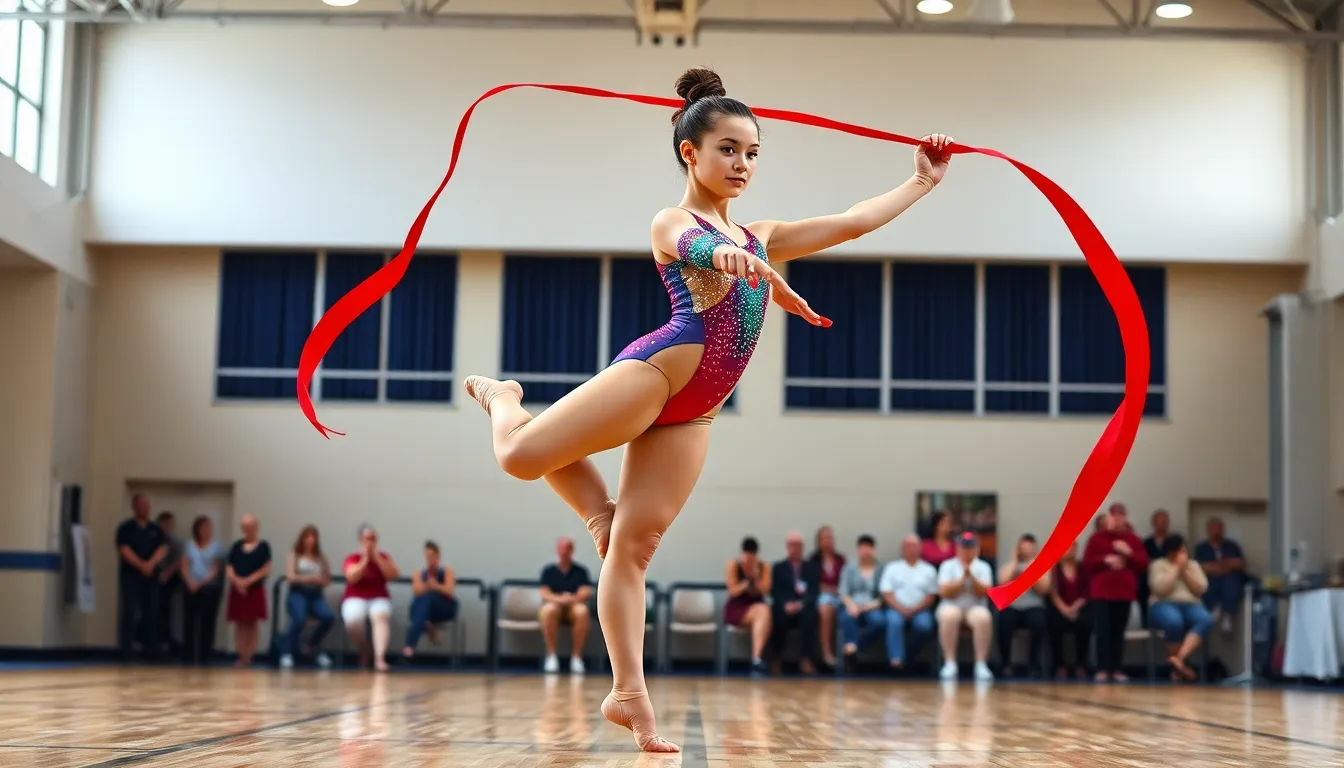
Rhythmic gymnastics originated in the late 19th century, evolving from separate disciplines such as ballet and artistic gymnastics. Initially, it was practiced primarily as a form of physical exercise and aesthetic expression, mainly by women. As it developed, rhythmic gymnastics became more structured with the introduction of events and competitions in the mid-20th century. By 1984, rhythmic gymnastics made its Olympic debut in Los Angeles, marking a significant milestone in its recognition as a competitive sport.
Key Elements of Rhythmic Gymnastics
Rhythmic gymnastics combines elements of dance, gymnastics, and the use of apparatus. Athletes perform routines that incorporate movements with ribbons, hoops, balls, clubs, or ropes. Each routine is judged on difficulty, artistry, and execution, making precision and creativity essential. The routines are choreographed to music, adding an additional layer of artistic expression to the sport. Athletes are required to showcase flexibility, coordination, and strength, establishing rhythmic gymnastics as a uniquely demanding discipline.
Recent Developments in Rhythmic Gymnastics
Highlights from Recent Competitions
In the last year, several major competitions such as the World Championships and the European Championships have showcased the elite talent within rhythmic gymnastics. At these events, seasoned champions and fresh faces displayed breathtaking performances that highlighted the evolving nature of choreography and athleticism in the sport. Notably, the World Championships held in Sofia, Bulgaria, featured sensational routines that captivated audiences, with athletes incorporating innovative elements that pushed the boundaries of the sport even further.
Emerging Stars to Watch
As the competitive landscape evolves, new talents are emerging from various regions. Athletes such as Russia’s Lala Kramareva and Italy’s Sofia Raffaeli are making headlines with their daring performances and exceptional skills. These gymnasts not only bring unique artistry to their routines but also carry the hopes of their nations as potential future champions. The rise of such promising talents ensures a thrilling future for rhythmic gymnastics.
Training Techniques and Innovations
The Role of Technology in Training
The integration of technology in rhythmic gymnastics training has revolutionized how athletes prepare for competition. Coaches now use video analysis software to break down performances frame by frame, providing immediate feedback on execution and technique. Also, virtual reality and motion-capture technologies are emerging tools that help athletes visualize movements and improve their performance. Innovations like these allow gymnasts to refine their skills more effectively than ever before, enhancing their overall preparedness for competition.
Nutrition and Conditioning for Athletes
Nutrition plays a critical role in the success of rhythmic gymnasts. A balanced diet tailored to support their demanding training regimens is crucial. Many athletes now work closely with nutritionists to develop meal plans that optimize energy levels and promote recovery. Besides, conditioning exercises focusing on strength, flexibility, and endurance are essential components of their training. These rigorous preparations ensure that gymnasts can perform at their peak during competitions.
Future Trends in Rhythmic Gymnastics
Growing Popularity and Participation
In recent years, rhythmic gymnastics has seen a surge in popularity, particularly among younger audiences. Schools and local clubs are increasingly offering rhythmic gymnastics programs, encouraging more children to participate in the sport. This growth is bolstered by social media, where gymnasts share their routines and training experiences, inspiring others to take up the discipline. As more athletes enter the sport, this trend will likely shape the future competitive landscape, generating a broader talent pool.
Potential Changes in Competitive Formats
As rhythmic gymnastics evolves, so too does the potential for reform in competitive formats. Officials are exploring new ways to enhance viewer engagement, such as introducing team events or integrating technology to provide real-time judging feedback. Also, there is ongoing discussion about broadening the scope of performances to include more diverse music selections and themes. These possible changes aim to not only maintain the sport’s artistic integrity but also appeal to a younger, more diverse audience.
Conclusion
Rhythmic gymnastics continues to captivate audiences with its unique blend of artistry and athleticism. As the sport expands its reach and embraces technological advancements, there lies a promising future filled with potential champions and innovative performances. With emerging talents pushing the limits, seasoned gymnasts setting records, and training techniques evolving, enthusiasts can expect a riveting journey ahead for rhythmic gymnastics. As it gains momentum worldwide, the allure of this sport is sure to grow, creating a vibrant community of athletes and fans.