
Family events are often filled with laughter and joy, but for families with disabilities, they can be a bit like trying to fit a square peg in a round hole. Who says family fun has to be one-size-fits-all? Disability family events are the ultimate antidote to the mundane, offering tailored experiences that celebrate diversity and foster connection.
Overview of Disability Family Events
Disability family events focus on creating inclusive environments for families with members who have disabilities. These events allow individuals to participate in activities tailored to their needs. Diverse options may include adaptive sports, arts and crafts, and social interaction opportunities.
Organizations often facilitate these events, ensuring accessibility and support. Accessibility features might include wheelchair ramps, sensory-friendly spaces, and specialized equipment. Many events prioritize collaboration with local disability advocacy groups, enhancing community involvement.
Participants benefit from networking opportunities during these gatherings. Families share experiences, building a support system while enjoying shared activities. Relationships often forged at these events contribute to a greater sense of community.
Activities at disability family events cater to various age groups and interests. For instance, children’s areas may include play equipment designed for different abilities. Teens and adults might engage in workshops that focus on building life skills and fostering independence.
Educational components often accompany these gatherings, offering resources about various disabilities. Workshops, informational booths, and guest speakers provide valuable insights to families. These learning opportunities empower participants with knowledge about available services and support systems.
Ultimately, disability family events promote a sense of belonging. By offering welcoming spaces, these events challenge societal norms surrounding disabilities. Families can celebrate diversity, connect with others, and embrace a shared journey.
Benefits of Disability Family Events
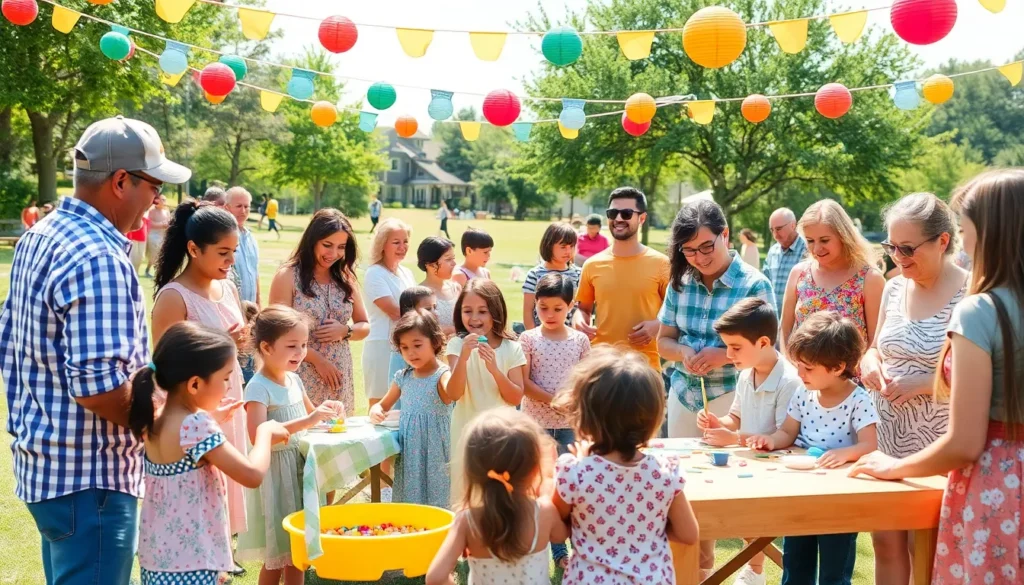
Disability family events offer unique advantages, fostering community and connection among attendees. These gatherings create an environment where families can thrive and enjoy activities designed with their needs in mind.
Social Interaction
Social interaction emerges as a major benefit at disability family events. Families connect with others who share similar experiences, promoting friendships and understanding. Unique activities encourage engagement, allowing participants to feel included. Interactions among children foster camaraderie, creating lasting memories. Organizers often design spaces that reduce barriers to communication and participation, enhancing the overall experience for everyone involved. Engaging in shared experiences can significantly strengthen relationships, as families find support and companionship in a welcoming atmosphere.
Support Networks
Support networks play a vital role in disability family events. By bringing together families, these events create opportunities for members to share resources and experiences. Attendees can discuss challenges and solutions, resulting in valuable connections. Guest speakers and workshops often provide insights into navigating support systems, which empowers families with essential information. Networking among attendees creates a sense of unity, helping families feel less isolated. Collaboration between attendees establishes lasting relationships that extend beyond the event, fostering ongoing support and encouragement in their journeys.
Types of Disability Family Events
Disability family events encompass a variety of formats that cater to the unique needs of families. These events provide opportunities for connection, learning, and fun.
Workshops and Seminars
Workshops and seminars play a crucial role in disability family events. Attendees gain valuable insights from experts on topics like special education, adaptive technologies, and navigating support services. Families discover practical strategies that enhance day-to-day life, fostering independence and confidence. Expert speakers often share firsthand experiences, making the learning process relatable. Interactive sessions promote engagement, enabling participants to ask questions and discuss common challenges. Various organizations host these workshops, ensuring access to up-to-date information tailored to disabilities.
Recreational Activities
Recreational activities offer essential outlets for fun and connection. Families enjoy adaptive sports, games, and crafts designed for all abilities, promoting inclusivity and camaraderie. Participants engage in various activities that encourage physical fitness while prioritizing enjoyment. Children find opportunities for social interaction, often leading to friendships that last beyond the event. Families can take part in musical performances and art sessions, fostering creativity. Recreational options are selected to ensure every family member can participate, making these events memorable and meaningful.
Advocacy Events
Advocacy events raise awareness and promote inclusion within the community. These gatherings often feature speakers from local disability advocacy groups, highlighting pressing issues that impact families. Participants learn about current legislation, access to services, and ways to advocate for their needs. Knowledge gained empowers families to engage at a grassroots level, making their voices heard. Collaboration among organizations strengthens community relationships, enhancing the overall impact of advocacy efforts. Through shared experiences, events inspire collective action, promoting a more inclusive society.
How to Organize a Disability Family Event
Organizing a disability family event involves careful consideration and thoughtful planning. Specific attention to details ensures an inclusive and enjoyable experience for all attendees.
Planning and Budgeting
Create a comprehensive plan to streamline the event’s logistics. Start by estimating the budget, factoring in venue costs, activities, and equipment. Local organizations or businesses often offer sponsorships, helping to reduce expenses. Price out rental services for adaptive equipment and explore grants dedicated to disability support. Ensure the chosen venue provides accessibility features such as ramps, wide doorways, and restrooms designed for individuals with disabilities. Engage a team of volunteers committed to assisting during the event, fostering an environment of community and support.
Engaging Participants
Engagement strategies enhance the overall experience for families. Begin by tailoring activities to various age groups and capabilities, ensuring everyone feels included. Use surveys or social media polls to gather input about desired activities and workshops. Showcase interactive sessions, hands-on projects, and community-building games to increase participation. Highlight unique aspects of the event through promotional materials, inviting local disability advocates to participate as speakers. Strong outreach efforts create excitement and encourage families to attend, making each event memorable and impactful.
Disability family events play a vital role in fostering community and connection among families facing unique challenges. These gatherings create inclusive environments where individuals can share experiences and build support networks. Through engaging activities and educational workshops families gain valuable insights and resources that empower them in their daily lives.
The sense of belonging cultivated at these events is invaluable. They not only celebrate diversity but also challenge societal norms surrounding disabilities. By participating in these events families can connect with others on a shared journey while creating lasting memories and friendships. Embracing the spirit of inclusion ensures that everyone feels welcome and valued.