
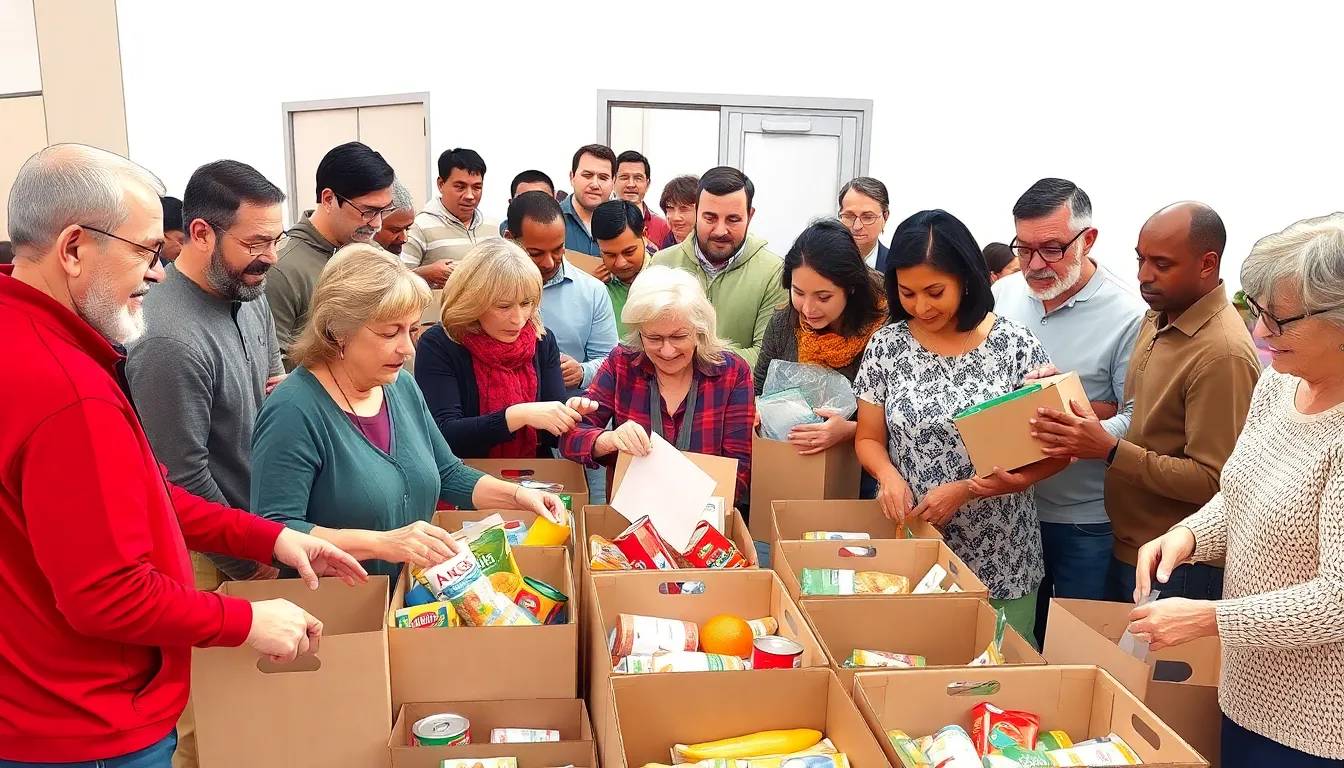
Community outreach initiatives are the unsung heroes of social change, quietly working to bridge gaps and build connections. These programs don’t just throw money at problems; they roll up their sleeves, dive into local issues, and create lasting impact. Imagine a world where neighbors help neighbors, and everyone plays a part in making their community a better place. Sounds like a feel-good movie, right? Well, it’s happening every day!
From food drives to educational workshops, these initiatives bring people together in ways that even the best potluck can’t match. They tackle everything from hunger to education, proving that a little teamwork can go a long way. So, if you think community outreach is just a fancy term for charity, think again. It’s a powerful movement that transforms lives, one initiative at a time, and it’s time to dive into what makes these efforts so essential.
Overview of Community Outreach Initiatives
Community outreach initiatives serve as crucial mechanisms for fostering social change. These efforts actively engage with local challenges instead of relying solely on financial contributions. By nurturing neighborly cooperation, they aim to enhance the overall quality of life in communities.
Programs like food drives tackle immediate concerns such as hunger. They distribute essential supplies directly to those in need. Educational workshops promote knowledge and skill-building, addressing gaps in learning and employment opportunities. Participants often experience personal growth and empowerment through these hands-on activities.
Volunteering provides another layer of involvement, encouraging individuals to contribute their time and talents. Volunteers frequently describe their experiences as fulfilling, and these engagements create stronger bonds among residents. By collaborating to resolve shared issues, individuals build a stronger sense of community.
Strategic partnerships with local organizations can amplify the impact of outreach efforts. These collaborations enable the pooling of resources and expertise. Successful initiatives often include schools, businesses, and nonprofits, which work together to address community needs.
Metrics illustrate the effectiveness of outreach activities. Research shows that communities with active outreach programs report increased civic engagement and improved public health. Additionally, residents of these communities tend to exhibit greater satisfaction with their living conditions.
Emphasizing sustainable practices enhances the long-term benefits of outreach projects. Many organizations focus on creating enduring solutions instead of temporary fixes. Ultimately, community outreach initiatives redefine charitable efforts into movements that uplift entire neighborhoods.
Importance of Community Outreach Initiatives
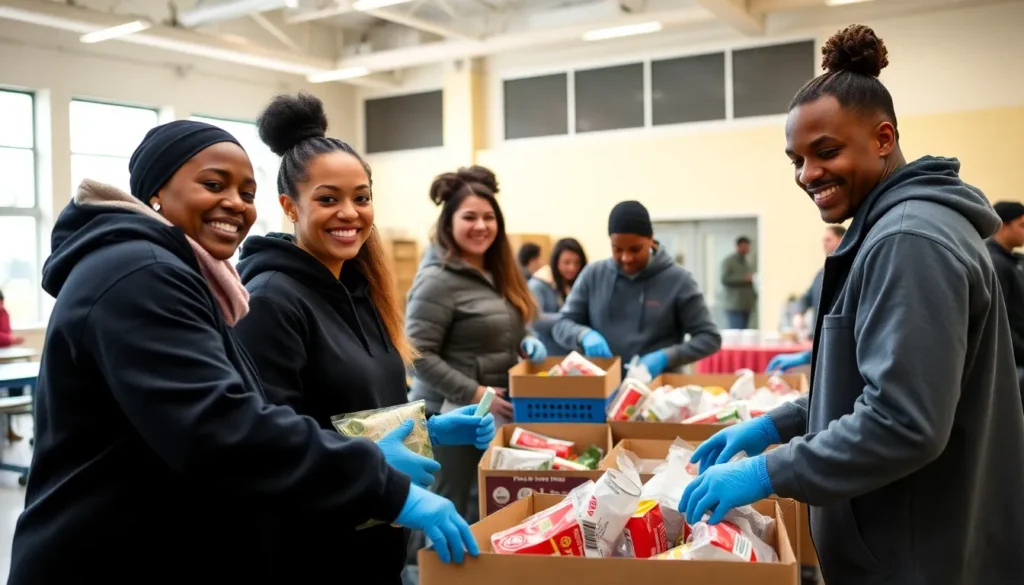
Community outreach initiatives play a crucial role in fostering social change and addressing local issues. These programs enhance collaboration and drive positive transformations.
Benefits to the Community
Community outreach initiatives lead to improved quality of life. Local residents gain access to essential services through programs like food drives and educational workshops. Enhanced civic engagement occurs as individuals become involved in their neighborhoods, strengthening connections among residents. Health outcomes improve with access to health resources and information. Furthermore, these programs tackle critical challenges, creating a united response to issues such as poverty and education.
Benefits to Organizations
Organizations experience numerous advantages from engaging in community outreach. Improved public image develops as they demonstrate commitment to social responsibility. Partnerships with local entities provide valuable networking opportunities, fostering collaboration and shared resources. Employee morale benefits from volunteering experiences, promoting teamwork and personal growth. Metrics often show that organizations see increased customer loyalty and brand recognition, ultimately leading to long-term sustainability and success.
Successful Examples of Community Outreach Initiatives
Healthcare outreach programs play a vital role in improving community health. They often provide free screenings for conditions like diabetes and hypertension. For instance, organizations partner with local clinics to offer health fairs, enabling residents to receive essential check-ups. Metrics show that these programs lead to increased awareness and early detection, which significantly benefits public health. Through workshops, attendees learn about nutrition and exercise, empowering them to make healthier choices. Success in these programs fosters a sense of community wellbeing and strengthens health systems.
Educational initiatives focus on bridging gaps in learning opportunities. Many programs provide resources such as tutoring and mentorship, targeting at-risk youth. Volunteers often collaborate with schools to host workshops that promote literacy and STEM education. In turn, participants gain valuable skills that enhance their academic performance. According to studies, regions with active educational programs see improved graduation rates and increased college enrollment. Enhanced educational access not only prepares students for future careers but also revitalizes communities by fostering a culture of learning and growth.
Challenges in Implementing Community Outreach Initiatives
Implementing community outreach initiatives presents several challenges that can hinder their effectiveness. These challenges often center around funding, resources, and community engagement.
Funding and Resources
Securing adequate funding poses a significant obstacle for many outreach initiatives. Many organizations rely on grants and donations, which can fluctuate year to year. Limited budgets restrict the scope of programs, and overspending on administrative costs impacts overall efficiency. Additionally, resource allocation plays a crucial role in reaching targeted demographics effectively. Volunteer training requires financial backing and time investment, making it essential to foster relationships with local businesses and larger organizations for support. Collaboration can augment resources, enabling more robust programming and sustainability of efforts.
Community Engagement
Engaging the community actively represents another significant challenge. Residents may display apathy toward outreach programs if they perceive them as inadequately addressing their needs. Understanding specific community concerns is essential for successful outreach. Building trust between organizations and residents takes time and consistent effort. Moreover, communication strategies must adapt to diverse community demographics to ensure participation. Effective outreach uses local events and social media platforms to connect with residents and foster involvement. Developing a feedback loop allows organizations to tailor initiatives, ensuring they remain relevant and impactful.
Community outreach initiatives are essential for driving meaningful change within neighborhoods. They not only address immediate needs but also empower residents through education and engagement. By fostering collaboration among local organizations and residents, these programs enhance community ties and improve overall quality of life.
The transformative power of outreach initiatives is evident in their ability to tackle critical issues like health and education. As these programs continue to evolve, their focus on sustainability and community involvement will ensure lasting impacts. Ultimately, investing in outreach efforts strengthens communities and creates a brighter future for all residents.