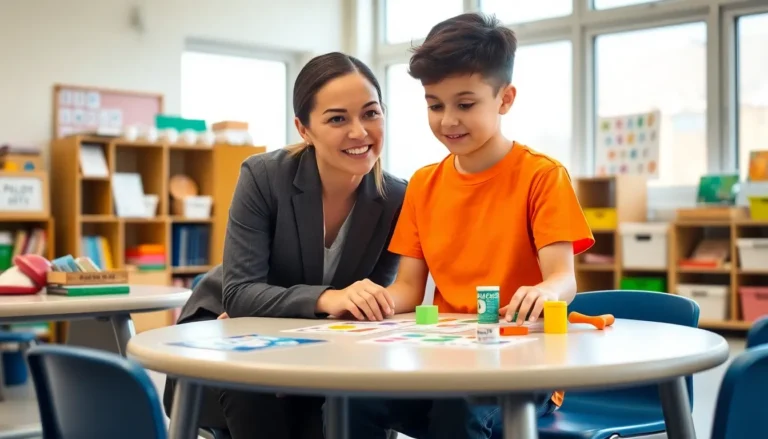

Navigating the wild world of school discipline can feel like trying to tame a lion with a feather. It’s a balancing act between maintaining order and ensuring students feel supported. With a dash of humor and a sprinkle of wisdom, the approach to discipline can transform classrooms from battlegrounds into vibrant learning environments.
Imagine a school where rules don’t just exist to be broken but are respected like the last cookie in the jar. Effective discipline strategies can foster respect and responsibility while keeping the fun alive. When students understand the “why” behind the rules, they’re more likely to embrace them, turning potential chaos into a symphony of cooperation. Buckle up as we explore the ins and outs of school discipline, where every lesson learned can lead to a brighter future for students and educators alike.
Understanding School Discipline
Understanding school discipline involves recognizing its role in shaping student behavior and fostering a conducive learning environment. A well-structured discipline system promotes respect, responsibility, and enhances student engagement.
Definition and Importance
School discipline refers to the methods used by educators to manage student behavior within educational settings. Effective discipline strategies not only maintain order but also nurture students’ understanding of their responsibilities. When students grasp the reasoning behind rules, they become more likely to adhere to them. Schools benefit from an organized environment, which contributes to improved academic performance. Moreover, disciplinary actions encourage respectful interactions among peers and between students and teachers. A positive discipline approach can ultimately shape students’ social and emotional development.
Historical Context
Historically, school discipline evolved from strict punishment-based methods to more constructive approaches. Over time, educators recognized that punitive measures often resulted in disengaged students. In the early 20th century, progressive educators began advocating for rules that promote understanding rather than mere compliance. This shift led to the incorporation of restorative practices and social-emotional learning in disciplinary frameworks. By the late 20th century, many schools adopted approaches that emphasized collaboration and conflict resolution. Today’s focus remains on balancing accountability with support, fostering environments where students learn from their actions while being guided towards positive choices.
Types of School Discipline
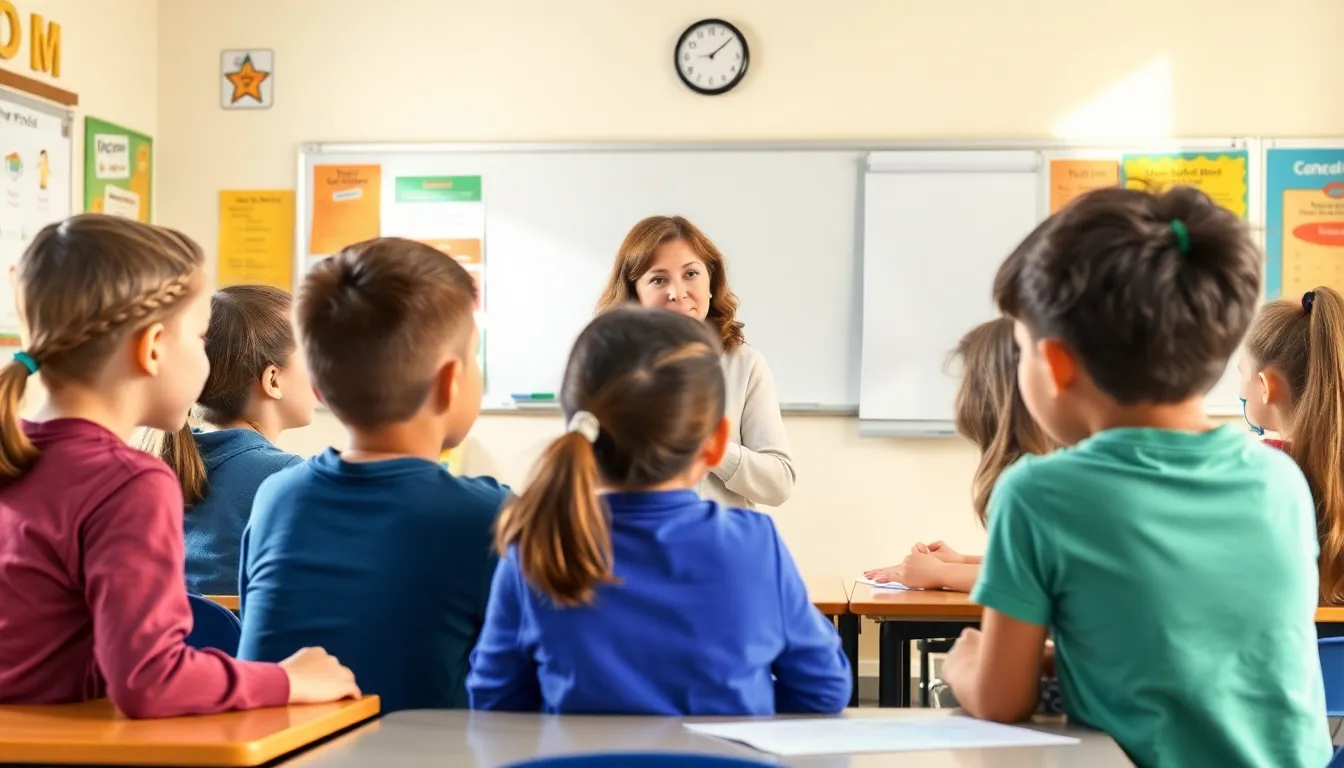
School discipline encompasses various strategies that educators employ to manage student behavior effectively. It primarily involves preventive measures and corrective actions.
Preventive Measures
Preventive measures focus on establishing a positive environment to deter misbehavior. These methods may include clear communication of expectations, consistent routines, and proactive classroom management techniques. Teachers often implement social-emotional learning programs, which help students develop essential skills such as empathy and self-regulation. Some schools adopt positive behavior interventions and support (PBIS) frameworks, promoting rewards for good behavior rather than merely punishing negative actions. Regularly engaging students in discussions about rules and consequences fosters a sense of ownership in their behavior, encouraging compliance without the need for strict enforcement.
Corrective Actions
Corrective actions address behavioral issues after they occur. These actions include verbal warnings, parent notifications, and reflective dialogues with students about their actions. Detention serves as a common method to reinforce the seriousness of misconduct. Educators may also implement restorative practices, encouraging students to repair harm caused by their behavior and learn from their mistakes. Consistency in applying corrective actions is vital, as it helps students understand the consequences of their choices while providing opportunities for growth and development. Effective corrective measures reinforce accountability while still supporting students in making better decisions.
The Role of Teachers and Administrators
Teachers and administrators play critical roles in establishing and maintaining school discipline. Their leadership directly influences student behavior and promotes an environment conducive to learning.
Classroom Management Strategies
Teachers utilize various classroom management strategies to foster a productive atmosphere. Clear communication of expectations sets the groundwork for appropriate behavior. Consistent routines help students understand their responsibilities, while proactive techniques prevent disruptions. Implementing programs like positive behavior interventions and support (PBIS) reinforces positive actions and encourages a culture of respect. Engaging students in discussions about behavior also enhances their understanding of consequences. Utilizing these strategies creates a safe and supportive classroom, enhancing overall student engagement.
Policy Implementation
Effective implementation of discipline policies is paramount for maintaining order. Administrators oversee the establishment of clear guidelines that outline acceptable behavior and the consequences of violations. Regular training for teachers ensures they understand these policies and how to apply them consistently. Incorporating feedback from both students and staff into policy revisions fosters a collaborative environment. Transparency in communicating policies to families strengthens trust and promotes accountability. Such efforts ensure that discipline policies are not only understood but also effectively upheld across the school community.
Impact of School Discipline on Students
School discipline significantly influences various aspects of a student’s life, including academic performance and social-emotional well-being.
Academic Performance
School discipline directly correlates with students’ academic performance. Clear expectations and consistent enforcement of rules create a conducive learning environment. Students thrive in structured settings that promote focus. Effective discipline strategies, such as positive behavior interventions, foster engagement and motivation. Research indicates that schools implementing these methods show improved test scores and overall academic achievement. Students who understand the repercussions of their behavior are more likely to concentrate on their studies. Thus, discipline not only maintains order but also enhances educational outcomes.
Social and Emotional Well-being
Social and emotional well-being hinges on effective school discipline. A supportive disciplinary environment encourages students to develop positive relationships. Engaging students in discussions about behavior cultivates empathy and self-awareness. Programs that integrate social-emotional learning impact how students interact with peers and handle conflicts. When students feel respected and valued, their overall mental health improves. Data reveals that schools with restorative practices witness lower rates of bullying and aggression. Effective discipline fosters resilience and equips students with skills to navigate challenges.
Alternatives to Traditional Discipline
Exploring alternatives to traditional discipline reveals effective strategies that promote a positive school environment. Two prominent approaches include restorative practices and positive behavioral interventions.
Restorative Practices
Restorative practices focus on repairing harm and rebuilding relationships. Educators engage students in conversations to address conflicts and understand the impact of their actions. Techniques include facilitated dialogues and peer mediation, which encourage accountability. Schools implementing these practices report reduced suspension rates and a more supportive atmosphere. Victims feel heard, while offenders gain insight into their behavior. This process fosters empathy and strengthens community ties among students and staff.
Positive Behavioral Interventions
Positive behavioral interventions emphasize reinforcing desirable behaviors rather than solely penalizing misbehavior. Schools establish clear expectations and recognize students for meeting those standards. Programs might include rewards for good behavior, regular check-ins, and reinforcement of social skills. Data indicates that schools utilizing these strategies observe a decrease in disciplinary incidents. Students experience increased motivation and engagement, resulting in improved academic performance. Consistently applied, these interventions create a proactive culture that promotes respect and encourages self-regulation among students.
School discipline plays a pivotal role in shaping student behavior and fostering a productive learning environment. By implementing effective strategies that emphasize understanding and collaboration, educators can transform classrooms into spaces that promote respect and responsibility.
The shift from punitive measures to constructive approaches highlights the importance of supporting students while holding them accountable for their actions. With a focus on restorative practices and positive behavioral interventions, schools can cultivate an atmosphere that encourages personal growth and academic success.
Ultimately, a well-structured discipline system not only enhances student engagement but also contributes to their social and emotional development, paving the way for a brighter future.