

Every parent knows the struggle of bedtime. It’s a nightly showdown that can rival any epic battle scene. As the clock ticks closer to lights out, kids transform from sweet little angels into fierce negotiators, armed with excuses that could rival a seasoned lawyer. Who knew that a simple request to brush teeth could lead to a full-blown debate on the merits of staying up just five more minutes?
Overview of Battle Bedtime
Battle Bedtime describes the nightly struggle parents encounter during their children’s bedtime routines. Children often transform into skilled negotiators, crafting elaborate excuses to delay sleep. These delays can emerge from various activities, such as brushing teeth or changing into pajamas.
During these confrontations, parents might experience escalating tension. The prospect of bedtime can trigger resistance, as kids express reluctance to part from stimulating activities. Emotional appeals frequently play a key role, with children pleading for just a few more minutes of play or story time.
Understanding the challenges involved in Battle Bedtime is crucial. Each night can introduce new tactics from children, making the journey unpredictable. Some kids may resort to tears, while others might distract parents with questions. Parents often find themselves negotiating against their better judgment, leading to prolonged routines.
Strategies exist to simplify these nightly rituals. Establishing a consistent schedule can provide children with a sense of security. Light dimming, soft music, or quiet reading can signal the transition to bedtime. These techniques help create a calming environment, enhancing the likelihood of cooperation.
In this nightly duel, parents can face a range of emotional responses. Frustration may emerge when routine changes occur, disrupting the established pattern. Developing effective communication with children fosters a cooperative mindset. With clear expectations, parents can help their children accept bedtime more readily.
Recognizing the intrinsic motivations behind children’s resistance empowers parents. It fosters a collaborative approach that can ease the battle atmosphere surrounding bedtime.
Gameplay Mechanics
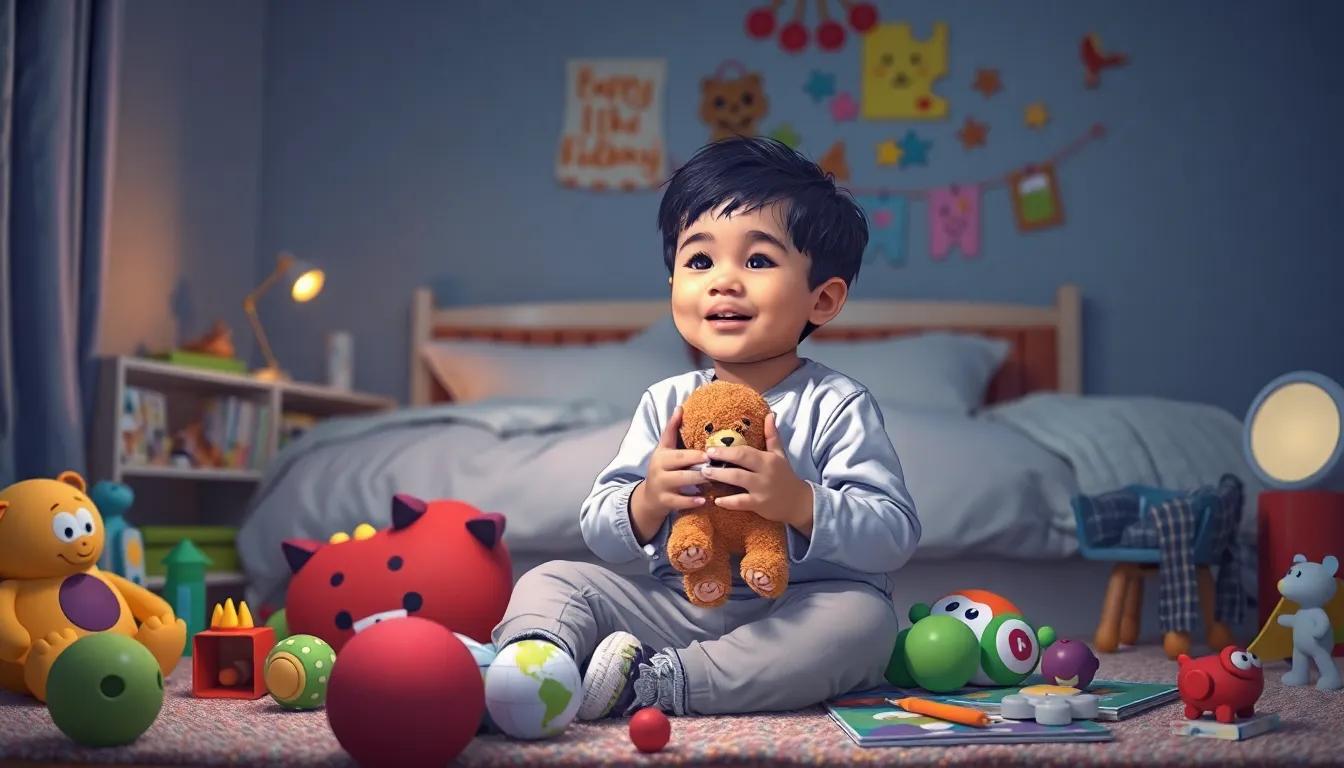
Gameplay mechanics in “Battle Bedtime” mirror real-life struggles faced during nightly routines. Players navigate through various challenges, each designed to represent common bedtime scenarios and tactics.
Game Objective
The objective centers around successfully getting children to bed without escalating tension. Players balance diverse tasks like brushing teeth, reading stories, and managing requests. Completing these tasks leads to collecting stars that represent cooperation, while failure results in frustrating delays. Achieving a peaceful bedtime sets the stage for smoother nights ahead, making it a rewarding experience for both parents and children.
Rules and Regulations
Players must follow specific rules to maintain an engaging environment. Each night starts with a defined routine that includes time limits for certain tasks. Children can negotiate for extra time or have a say in the story choice, promoting involvement. Allowing only two negotiation attempts per task keeps the flow moving. Any instance of delaying tactics like repeated questions or tears triggers a timeout penalty, reinforcing the importance of cooperation. Adhering to these rules helps streamline the bedtime process while keeping it fun and interactive.
Graphics and Sound Design
Battle Bedtime features colorful graphics that draw players into a whimsical nighttime world. Characters, like imaginative versions of children and funny bedtime monsters, capture attention with animated expressions. Each scene transitions smoothly, enhancing the gaming experience and representing relatable bedtime scenarios.
Sound design contributes significantly to immersing players. Soft lullabies and light sound effects create an inviting atmosphere, making any player feel relaxed. These calming audio elements counterbalance the animated action on the screen.
Visual cues guide players through tasks like brushing teeth or reading stories. Clear illustrations depict each activity, ensuring players understand what actions to take. Character animations reflect reactions such as joy or disappointment, providing immediate feedback to players on their choices.
An appealing color palette enhances the overall aesthetic, featuring soft pastels that resonate with a calming bedtime theme. The game encourages cooperation through rewarding visual effects, such as stars and cheerful animations that celebrate successful task completion.
Dynamic dialogues between characters keep gameplay engaging and relatable. Each character brings unique personality traits to life, enhancing player emotional connection to the gameplay. Furthermore, the combination of thoughtful graphics and immersive sound design creates an enjoyable bedtime experience, alleviating the tension parents often face during nighttime routines. Through this combination, Battle Bedtime turns a familiar struggle into a delightful experience.
Strategies for Success
Parents can adopt various strategies to streamline the bedtime routine and reduce tension. Implementing effective techniques can transform nightly battles into smoother experiences.
Tips for New Players
Establishing a routine is crucial for success. Consistent bedtimes help children know what to expect, making transitions easier. Integrating calming activities, such as reading or gentle music, sets a peaceful atmosphere. Engaging children in the process can foster cooperation; ask for their input on bedtime stories or choose pajamas together. Positive reinforcement encourages desired behavior, so celebrate small victories with praise or rewards. Anticipating resistance also prepares parents to handle potential pushback more effectively.
Advanced Techniques
Utilizing visuals can enhance communication around bedtime. Create a chart displaying nightly tasks and their progression. Engaging in role play, where parents and children act out the bedtime process, develops understanding and readiness. Setting time limits for each activity streamlines the routine, reducing opportunities for negotiation. Incorporating timers or fun countdowns can make transitions feel exciting rather than punitive. Lastly, reframing bedtime as a unique adventure can ignite children’s enthusiasm, shifting focus from resistance to anticipation.
Community Feedback
Parents frequently share their experiences battling bedtime challenges. Many report feeling outsmarted when their children conjure endless excuses. One mother noted her son goes from asking for water to wanting to read another story, observing how quickly these requests can escalate.
Feedback often emphasizes the effectiveness of establishing a consistent bedtime routine. Parents appreciate that kids respond well when they know what to expect. Another parent mentioned using a visual schedule, which helped her child understand the sequence of events leading up to sleep.
Techniques like calming music and dimmed lights received positive remarks in community discussions. Parents find these elements create a soothing atmosphere that facilitates the transition to sleep. The use of soft lullabies seems particularly effective, as one parent explained how it transformed the pre-bedtime chaos into a peaceful ritual.
Engagement strategies often spark conversations as well. Role-playing scenarios or using interactive bedtime stories also gained attention, showcasing how playfulness reduces resistance. One father shared how incorporating fun characters in nightly tales increased his children’s willingness to transition from playtime to bedtime.
Positive reinforcement consistently proves beneficial in community feedback. Parents highlight its impact on encouraging cooperative behavior. An example includes rewarding kids with stars for completing tasks without protest.
Graphics and sound design from “Battle Bedtime” also receive commendations for enhancing the bedtime experience. Users appreciate the colorful visuals, noting that they capture children’s attention while maintaining a relaxing ambiance. Dynamic dialogues resonate with families, creating emotional connections that ease tensions associated with nighttime routines.
Transforming the nightly struggle into a cooperative adventure can significantly ease the bedtime battle. By establishing a consistent routine and creating a calming atmosphere, parents can reduce resistance and foster a sense of security. Engaging children in the process not only encourages cooperation but also makes bedtime a more enjoyable experience.
Utilizing techniques like positive reinforcement and visual schedules can further enhance understanding and compliance. As families embrace these strategies, they’ll find that bedtime can shift from chaos to a cherished ritual, paving the way for peaceful nights and restful sleep.