
Navigating the world of developmental disabilities can feel like trying to assemble IKEA furniture without the instructions—frustrating and often confusing. But fear not! Help is at hand, and it’s more accessible than a pizza delivery on a Friday night. With the right resources and support, individuals and families can unlock a treasure trove of opportunities for growth and development.
Overview of Developmental Disabilities
Developmental disabilities encompass a range of conditions that affect physical, learning, language, and behavior skills. These disabilities typically manifest during childhood and can significantly impact daily living and long-term outcomes. Examples include autism spectrum disorder, cerebral palsy, and intellectual disabilities.
Individuals with developmental disabilities may face unique challenges, which can hinder their ability to navigate education, employment, and social interactions. Early diagnosis often leads to more effective intervention strategies. Research indicates that timely access to support services can greatly enhance personal development and independence.
Support systems exist to assist individuals with developmental disabilities and their families. Various organizations offer resources such as therapy, educational support, and advocacy services. Community-based programs strive to create inclusive environments, allowing individuals to thrive.
Accessing these resources plays a crucial role in improving quality of life. Engaging with professional support can lead to positive growth and progression. Furthermore, ongoing advocacy for policy changes remains essential to ensure access to necessary services and funding.
Developmental disabilities vary in severity and presentation among individuals. Each person’s experience is unique, and tailored support approaches often yield the best results. Families also benefit from comprehensive information about available services, creating a supportive network for individuals with disabilities.
Overall, understanding developmental disabilities and available assistance empowers families. It encourages informed decisions that foster development, enhance skills, and promote independence in daily life.
Types of Developmental Disabilities
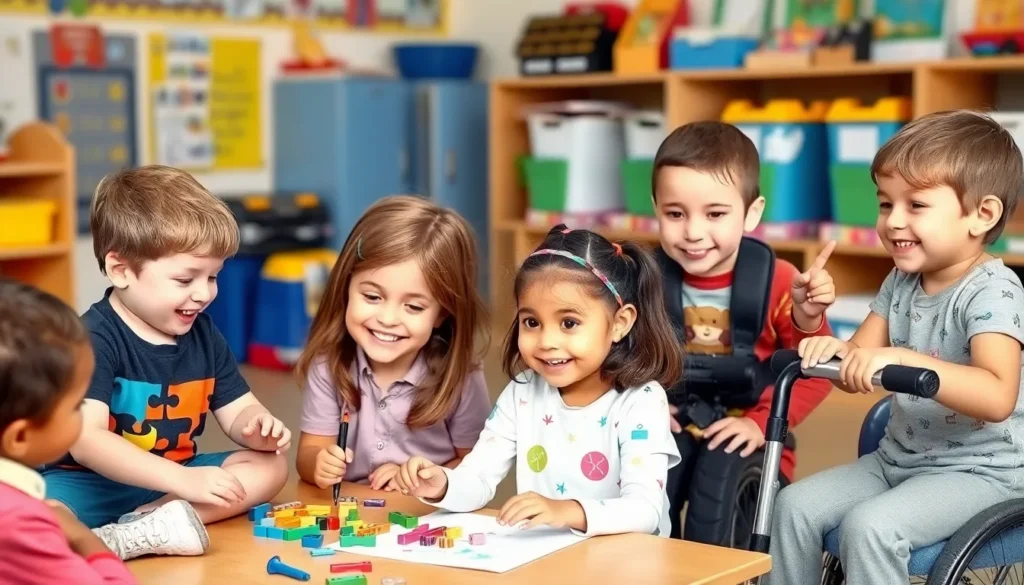
Developmental disabilities encompass diverse conditions. These conditions affect various skills in individuals, presenting distinct challenges.
Common Conditions
Common developmental disabilities include autism spectrum disorder, cerebral palsy, and intellectual disabilities. Autism spectrum disorder affects communication and social interaction, making it difficult for individuals to engage in typical social settings. Cerebral palsy impacts movement and coordination, often resulting from brain injury or malformation during early development. Intellectual disabilities affect cognitive functioning and adaptive behaviors, influencing learning and daily living skills. Other examples include attention-deficit/hyperactivity disorder (ADHD) and Down syndrome. Each condition presents unique characteristics, necessitating tailored support strategies.
Age of Onset
Developmental disabilities manifest during childhood, typically before the age of 18. Conditions such as autism often appear in the first three years of life, while signs of intellectual disabilities can emerge in infancy. Some disabilities, like cerebral palsy, may be evident at birth or shortly afterward. Early identification remains crucial for effective intervention, influencing long-term outcomes. Support services become essential in addressing skill development and enhancing independence, particularly during critical developmental periods. Timely access to resources ensures that individuals receive necessary assistance for navigating challenges.
Services Available for Developmental Disabilities Help
Accessing services for developmental disabilities fosters growth and development for individuals and families. A variety of assistance options exist to ensure comprehensive support.
Educational Support
Educational support includes specialized programs tailored for children with developmental disabilities. Individualized Education Programs (IEPs) address specific learning needs, facilitating personalized attention in schools. Teachers receive training to implement effective strategies that enhance learning experiences. Additional tutoring services target skill development while promoting confidence. Parents also play a vital role, engaging in their child’s education and collaborating with educators to achieve successful outcomes.
Therapeutic Services
Therapeutic services offer essential interventions for developmental disabilities, focusing on skill enhancement and emotional support. Speech therapy improves communication abilities, while occupational therapy develops daily living skills. Physical therapy aids in motor skills and coordination through targeted exercises. Behavioral therapy addresses challenges in social interaction and emotional regulation. Access to these therapies encourages individuals to reach their potential and increases overall quality of life.
Community Resources
Community resources provide vital support networks for individuals with developmental disabilities and their families. Local organizations often offer workshops, support groups, and advocacy initiatives. Participation in these programs fosters social connections and helps families share experiences. Many communities also feature recreational programs designed to promote inclusion and enhance social skills. Utilizing these resources strengthens community bonds and empowers individuals to thrive in various environments.
Strategies for Families
Families can implement various strategies to support individuals with developmental disabilities. Prioritizing independence plays a crucial role in fostering lifelong skills.
Supporting Independence
Fostering independence enhances an individual’s ability to perform daily tasks. Encouragement to make choices develops confidence and decision-making skills. Teaching self-care routines empowers individuals to manage personal hygiene, nutrition, and household chores. Utilizing assistive technology simplifies tasks, enabling individuals to interact with their environment effectively. Promoting social skills through structured activities helps individuals build relationships and engage with peers. Establishing realistic goals creates achievable milestones that motivate continuous progress.
Building a Support Network
Creating a supportive network strengthens resilience and provides encouragement. Connecting with local support groups offers families a platform to share experiences and resources. Engaging with healthcare professionals ensures access to expert guidance and tailored strategies. Collaborating with schools facilitates communication regarding educational needs and individualized plans. Networking with other families cultivates a sense of community and shared understanding. Utilizing online resources helps families access valuable information and support services effortlessly.
Navigating the landscape of developmental disabilities can feel overwhelming but support is always within reach. By leveraging available resources and fostering connections, individuals and families can unlock potential and promote meaningful growth.
Emphasizing early intervention and tailored support strategies ensures that each person can achieve their unique goals. Community involvement and advocacy play crucial roles in enhancing quality of life and creating inclusive environments.
Ultimately, understanding the complexities of developmental disabilities empowers families to make informed choices that encourage independence and personal development. With the right tools and support, individuals can thrive and contribute to their communities in meaningful ways.