
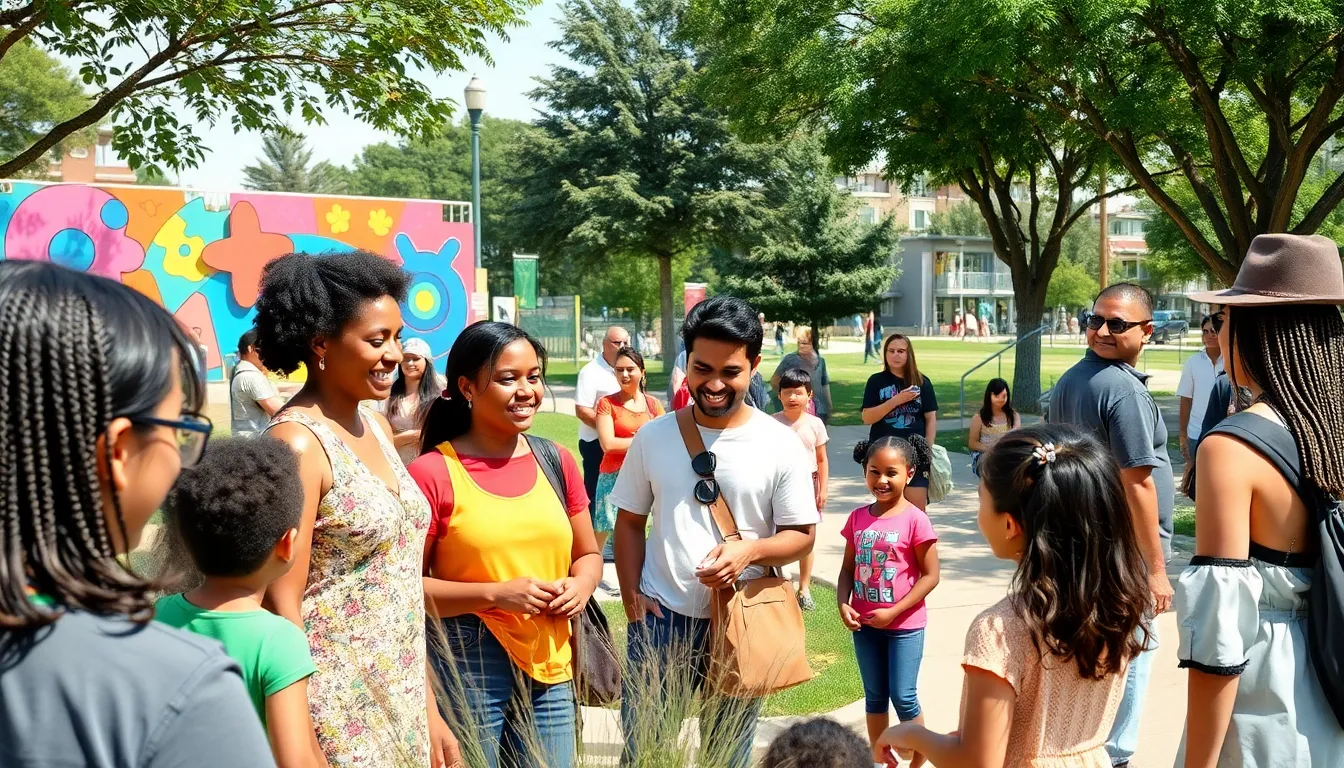
In a world where everyone deserves a seat at the table, inclusive community services are the secret sauce for creating vibrant, thriving neighborhoods. Imagine a place where accessibility isn’t just a buzzword but a way of life. Whether it’s a cozy coffee shop that welcomes all or a park designed for everyone to enjoy, inclusivity transforms ordinary spaces into extraordinary experiences.
But wait, it gets better! Inclusive community services don’t just benefit individuals; they strengthen the entire community. By embracing diversity, these services foster connections, spark creativity, and even boost local economies. So, if you think inclusivity is just a nice-to-have, think again. It’s time to roll up those sleeves and dive into how inclusive community services can make a difference, one smile at a time.
Overview of Inclusive Community Services
Inclusive community services create welcoming environments that cater to diverse populations. Accessibility plays a critical role in making community spaces extraordinary.
Definition and Importance
Inclusive community services refer to programs and initiatives designed to meet the diverse needs of all community members. Emphasizing access promotes full participation in social, economic, and cultural activities. These services ensure that everyone, regardless of ability, background, or identity, can engage in community life. Strengthening community bonds and fostering relationships, inclusive services contribute to a sense of belonging. Moreover, they drive economic growth by encouraging local businesses to embrace diversity, resulting in increased customer bases and innovative ideas.
Key Components of Inclusive Services
Several key components underpin effective inclusive community services. Accessibility forms the foundation, ensuring physical and digital spaces accommodate all users. Partnerships with local organizations enhance service offerings, facilitating collaboration to reach underserved populations. Training for staff members on diversity and inclusion creates a respectful environment, allowing team members to better serve community needs. Community feedback channels allow continuous improvement and responsiveness to evolving concerns. Finally, public awareness campaigns educate residents on available services, promoting engagement and participation across varied demographics.
Types of Inclusive Community Services

Inclusive community services encompass a variety of programs that address diverse needs. These services play a critical role in fostering equal participation across different sectors.
Health and Social Support
Health and social support services provide essential resources for individuals facing barriers to care. Services like mental health counseling, physical therapy, and social work ensure everyone has access to quality health options. Various organizations partner to enhance service delivery, creating an integrated approach that addresses multiple needs. Confidential assistance programs help individuals navigate health challenges, ensuring they receive necessary support. Community wellness initiatives promote healthy lifestyles through accessible fitness classes and nutrition workshops. Examples include mobile health clinics that travel to underserved areas, demonstrating that inclusivity directly impacts overall community health.
Education and Training
Education and training initiatives aim to empower individuals through skill development. Programs designed for diverse learning styles ensure everyone receives equitable educational opportunities. Adult education classes, vocational training, and mentorship programs cater to varied backgrounds and experiences. Partnerships with local schools and higher education institutes strengthen pathways to success, creating inclusive environments for learners. Specialized workshops in life skills and digital literacy equip individuals for today’s workforce. Community education fairs help raise awareness about available programs, encouraging participation and engagement from all residents.
Employment Opportunities
Employment opportunities focus on creating inclusive workplaces that value diversity. Local businesses and organizations offer job training programs that specifically target underrepresented groups. Internships and apprenticeships provide hands-on experience while fostering connections within the community. Employers who emphasize inclusivity benefit from a broader talent pool, improving workplace dynamics. Networking events and career fairs inspire collaboration among job seekers and employers, promoting awareness of the importance of diversity. When a community focuses on accessible employment options, overall economic growth increases, strengthening its foundation.
Benefits of Inclusive Community Services
Inclusive community services significantly improve the quality of life for all members. Access to essential resources supports personal well-being and fosters a sense of belonging. Facilities that accommodate diverse needs enable individuals to participate meaningfully in their communities. Increased access to healthcare allows people to receive necessary support, such as mental health services and wellness initiatives. Educational programs provide skill development that prepares community members for various roles in society. Employment services create pathways for underrepresented groups, enhancing their economic stability and success.
Social cohesion flourishes in inclusive environments. These services promote interactions among diverse individuals, building friendships and mutual understanding. Community events designed for inclusivity encourage participation from all demographics. Shared experiences create stronger bonds, promoting a sense of unity. Inclusive dialogues foster respect and appreciation for different perspectives. As barriers decrease, collaboration among community members increases, yielding innovative solutions to local challenges. Ultimately, inclusive community services strengthen the fabric of society, enhancing the overall stability and vibrancy of neighborhoods.
Challenges in Implementing Inclusive Community Services
Implementing inclusive community services presents several challenges that require attention and strategic solutions.
Resource Limitations
Limited funding often restricts the development of inclusive services. Many programs struggle to secure adequate financial support, making it difficult to meet the diverse needs of the community. Facilities may lack the necessary adaptations for accessibility, hindering participation among individuals with disabilities. Workforce shortages also impact the delivery of inclusive programs, as organizations can’t find enough trained staff to support inclusion initiatives. To combat these constraints, local governments and organizations must prioritize partnerships and collaboration to pool resources effectively.
Awareness and Acceptance Issues
Lack of awareness about the importance of inclusive community services can impede progress. Some community members may not understand the benefits of inclusivity, leading to resistance against new initiatives. Education programs can foster a better understanding of inclusivity’s role in building stronger communities. Acceptance of diversity and inclusion can also vary, with certain demographics showing reluctance to embrace varied perspectives. Engaging in public awareness campaigns can help address these issues and encourage the acceptance of inclusive practices.
Embracing inclusive community services is essential for fostering vibrant neighborhoods where everyone can thrive. By prioritizing accessibility and collaboration, communities can create spaces that truly reflect the diverse needs of their members. The benefits extend beyond individual well-being, strengthening social ties and enhancing economic opportunities for all.
As local governments and organizations work together to address challenges, the commitment to inclusivity will pave the way for richer community experiences. By investing in education and awareness, they can inspire a culture of acceptance and understanding. Ultimately, inclusive community services play a crucial role in building a stronger, more connected society that values every individual.