

When school holidays roll around, parents often find themselves in a whirlwind of excitement and chaos. Suddenly, the daily grind of school drop-offs and homework is replaced by the challenge of keeping kids entertained. It’s like being handed a blank canvas, but instead of paint, you’ve got a mix of energy drinks and endless questions of “What are we doing today?”
Importance of Parenting During School Holidays
Parenting during school holidays plays a crucial role in child development. Engaging in activities together strengthens relationships and fosters a supportive environment.
Strengthening Family Bonds
Participating in family outings enhances communication and cooperation among family members. Dinner conversations can become a cherished routine, allowing everyone to share daily experiences. Engaging in collaborative projects, like arts and crafts, offers opportunities for teamwork and bonding. Shared laughter during games or outdoor activities fosters connection, creating a foundation for lasting relationships. Family traditions established during holidays help instill values and a sense of belonging, reinforcing the family unit.
Creating Lasting Memories
Creating memorable experiences during school holidays has significant benefits for children. Experiencing new places, whether local parks or distant travel, broadens their horizons and fuels curiosity. Time spent together in various settings promotes emotional growth and is often remembered fondly in the future. Documenting these moments through photos or journals allows children to reflect on their experiences, making them feel valued. Events like family movie nights or themed dinners add fun elements, offering opportunities to create unique memories.
Planning Activities
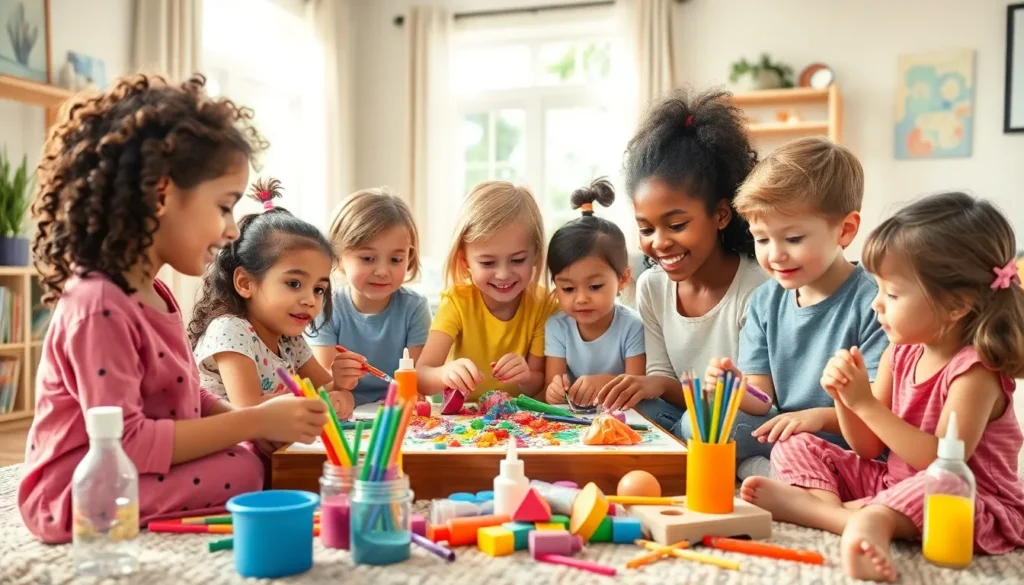
Planning activities during school holidays requires creativity and flexibility. Parents can ensure children remain engaged through various options.
Educational Outings
Educational outings provide enriching experiences that promote learning outside the classroom. Local museums often host interactive exhibits. Zoos and aquariums offer opportunities to learn about wildlife and ecosystems. Nature reserves encourage exploration and connection with the environment. Scheduling these outings helps reinforce concepts learned during the school year. Keeping a journal of experiences can foster writing skills. Family discussions about the outing can enhance communication skills.
Creative Projects at Home
Creative projects at home spark imagination and keep children entertained. Art supplies like paints, clay, and crafting materials enable kids to express themselves. Designing a family scrapbook promotes storytelling and organization. Cooking together teaches practical skills and encourages teamwork. Building models fosters problem-solving abilities while being fun. Scheduling regular project times creates structure amidst the holiday chaos. Documenting each project through photos can enhance reflection and appreciation. Engaging in these activities strengthens family bonds and nurtures creativity.
Managing Schedules
Managing schedules during school holidays requires a blend of relaxation and structure. Parents seek to balance downtime with engaging activities, ensuring children remain entertained while establishing a routine.
Balancing Relaxation and Structure
Finding balance involves setting aside time for relaxation alongside planned activities. Daily schedules can incorporate free time, allowing kids to unwind after structured outings. For example, designating mornings for exploration and afternoons for downtime can create a harmonious rhythm. Discipline remains essential in maintaining the structure, though flexibility allows for spontaneous fun. Parents play a crucial role in this equation, ensuring kids understand the value of both leisure and responsibility. Ultimately, developing a well-rounded holiday routine helps children thrive through these breaks.
Involving Kids in Planning
Involving kids in planning activities boosts enthusiasm and engagement. Parents can encourage input on outings, which fosters a sense of ownership. Asking children for ideas helps ensure preferences and interests guide the schedule. Family meetings can serve as an effective forum for brainstorming, with everyone contributing their favorite activities. Additionally, parents can introduce various themes, such as nature or culture, to spark creativity. Allowing children to choose from different options ensures inclusiveness and promotes excitement for the planned adventures. Engaging kids in this way strengthens family bonds and enhances the overall holiday experience.
Addressing Challenges
School holidays present unique challenges for parents that require attention and strategy. Managing children’s activities amidst the excitement can lead to screen time dilemmas and behavioral issues.
Dealing with Screen Time
Parents must establish clear guidelines for screen time during school holidays. Limiting daily screen use to 1-2 hours benefits children’s physical and mental health, ensuring enough time for other activities. Setting designated times for using devices helps maintain structure and balance. Incorporating tech-free zones or times encourages family engagement and interaction. Engaging children in offline hobbies fosters creativity, such as reading or outdoor activities. Parents can also choose educational apps and programs that promote learning while keeping the entertainment factor intact.
Handling Behavioral Issues
Behavioral issues often surface during school breaks. Anticipating these challenges allows parents to respond effectively. Consistent rules and expectations provide a sense of security for children, even in a less structured environment. Proactively discussing feelings helps kids express emotions constructively. When conflicts arise, using positive reinforcement for good behavior encourages them to make better choices. Offering small rewards for achievements clarifies expectations and promotes positive behaviors. Lastly, involving kids in decision-making empowers them, boosting their responsibility and reducing frustration.
Navigating school holidays can be a rewarding yet challenging experience for parents. By embracing creativity and flexibility, families can transform this time into meaningful opportunities for connection and growth. Engaging in activities together not only strengthens relationships but also fosters a supportive environment where children can thrive.
Balancing relaxation with structured activities allows kids to recharge while exploring new interests. By involving children in planning and setting guidelines, parents can cultivate a sense of ownership and responsibility. Ultimately, these shared experiences create lasting memories that enrich both family dynamics and children’s development, making school holidays a time of joy and discovery.