

School events are the secret sauce that brings students, teachers, and parents together in a delightful mix of fun and learning. Whether it’s a science fair that sparks curiosity or a talent show that reveals hidden talents, these gatherings create memories that last a lifetime. They’re not just about fun; they foster community spirit and teamwork, proving that learning can happen outside the classroom walls.
Imagine the excitement of a pep rally where school spirit is at an all-time high or the sweet chaos of a bake sale that turns into a culinary showdown. These events are the perfect blend of laughter and learning, making them essential to the school experience. So, let’s dive into the world of school events and discover how they shape students’ lives in ways that textbooks simply can’t.
Overview of School Events
School events serve as essential gatherings that enhance the educational experience. These occasions include various activities such as science fairs, talent shows, pep rallies and bake sales. Each event contributes to building a sense of community among students, teachers and parents.
Participation in science fairs allows students to explore scientific concepts in engaging ways. Students develop critical thinking skills while presenting their projects to peers and instructors. Talent shows showcase creativity and provide a platform for students to perform, further enhancing confidence and self-expression.
Pep rallies energize student spirit, uniting classmates in support of school teams. The excitement generated during these events fosters camaraderie and enhances school pride. Bake sales, organized by parents and student clubs, raise funds for school initiatives while encouraging teamwork and collaboration.
The memories created during these events impact students positively. They experience personal growth through participation in team activities. Furthermore, school events create opportunities for social interaction that extend beyond academic settings, nurturing friendships and peer relationships.
Recognizing the value of these events is crucial for a thriving school culture. Schools benefit from actively organizing diverse events that cater to students’ interests and talents. Engaging events not only promote learning but also create lasting bonds within the school community.
Types of School Events
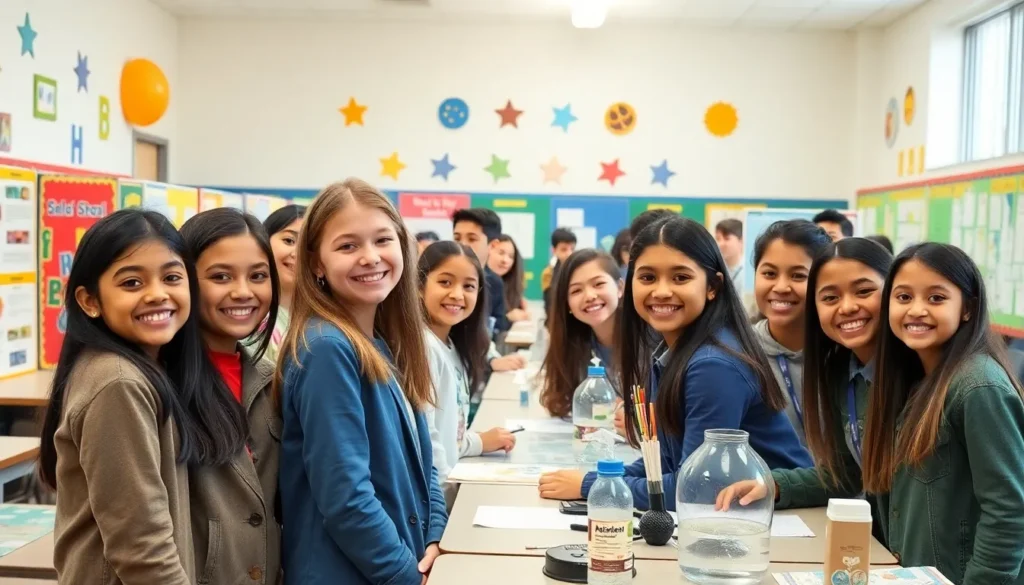
School events encompass a variety of activities that enhance community spirit and promote engagement within the educational environment. These activities can be categorized into academic events and extracurricular activities.
Academic Events
Academic events focus on enriching students’ educational experiences. Science fairs challenge students to apply scientific principles creatively and analytically. Math competitions encourage problem-solving skills while fostering healthy competition. Additionally, spelling bees enhance vocabulary and boost confidence in public speaking. Each of these events provides opportunities for students to showcase their knowledge and skills, reinforcing their academic growth.
Extracurricular Activities
Extracurricular activities play a vital role in school culture by enriching student life. Clubs and organizations offer platforms for students to explore hobbies and interests beyond academics. Sports events foster teamwork and discipline, while talent shows provide avenues for self-expression and creativity. Fundraising events, like bake sales, encourage community involvement and philanthropic efforts. Each of these activities contributes to building friendships and enhancing school spirit among students.
Importance of School Events
School events significantly contribute to building connections among students, teachers, and parents. They create an environment where relationships flourish.
Community Building
Community building is essential for a positive school culture. School events bring together diverse groups, strengthening social ties. Activities like science fairs and talent shows encourage interaction, fostering friendships among participants. Pep rallies boost school spirit as students cheer for their teams together. Collaborative efforts seen in bake sales showcase teamwork and shared goals. When everyone comes together, it cultivates a sense of belonging. This collective experience promotes inclusivity and engagement, leading to a more unified school community.
Student Engagement
Student engagement profoundly influences academic success. Events capture students’ interests, prompting participation beyond the classroom. Science fairs stimulate curiosity, allowing students to explore concepts hands-on. Talent shows empower students to express themselves creatively, enhancing confidence. Participation in pep rallies energizes the school atmosphere, motivating students to cheer for their peers. Extracurricular activities like clubs provide platforms for collaboration and skill development. Fundraising events help students understand philanthropy, instilling values that extend beyond their school years. Each of these activities enhances the overall educational experience, promoting lifelong learning and engagement.
Planning Successful School Events
Successful school events hinge on careful planning and execution. Organizing them effectively ensures an enjoyable experience for all participants.
Key Considerations
Identify the event’s objective first. Knowing the purpose shapes planning and helps align activities with educational goals. Budget management is vital as well. Allocating appropriate funds allows for necessary resources without overspending. Setting a timeline brings structure to the planning process. Establishing deadlines ensures tasks get completed on schedule. Venue selection impacts the event’s overall atmosphere. Choosing an accessible and engaging location enhances participation and enjoyment. Collaborating with staff fosters shared ideas and encourages teamwork throughout the planning process.
Involvement of Students and Parents
Engaging students early generates enthusiasm. Allowing them to contribute ideas helps cultivate ownership of the event. Creating committees makes collaboration possible. Assigning specific roles empowers students. Encouraging parent involvement builds a sense of community. Parents can assist with planning, fundraising, and day-of organization. Seeking feedback from families can enhance future events. Collecting input demonstrates that their opinions matter. Promote communication through newsletters or social media. Keeping everyone updated fosters a unified approach, ensuring that every voice is heard and valued.
School events play a vital role in shaping the educational landscape. They create opportunities for students to engage with their peers and teachers while fostering a sense of belonging. The memories forged during these gatherings often last a lifetime, leaving a lasting impact on students’ personal and academic growth.
By encouraging participation and collaboration, school events enrich the overall experience for everyone involved. They not only promote teamwork and creativity but also strengthen community ties among families and educators. Embracing and supporting these events is essential for nurturing a vibrant school culture that benefits all.